
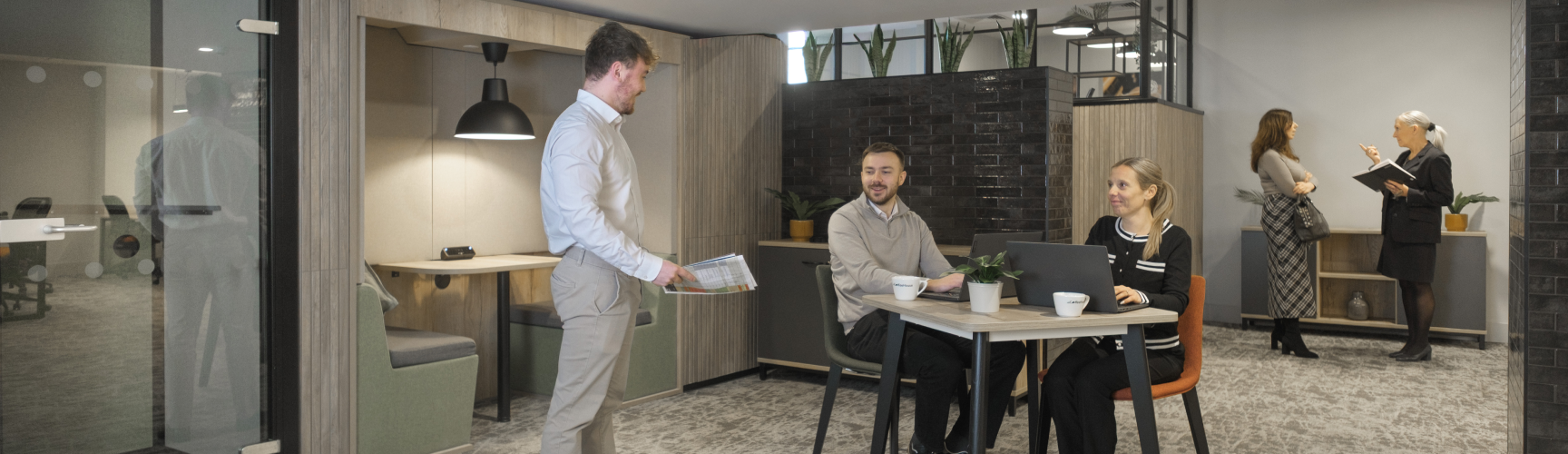

The vast majority of people reading this will be familiar with the popularity of hybrid working and part-time office attendance in 2026. Today, paying for a desk per person makes little financial sense for businesses of all sizes, as it usually means paying for empty seats.
Hot desking is a system of working which removes that expensive problem and helps match space to actual demand, ensuring the office remains lively on the days that people are in. Despite this, it does have a bad reputation. Unclear rules lead to people scrambling for seats, and there are often few areas where people can concentrate.
This guide will help your team’s hot-desk better. We’ll offer some easy rules to implement, which will ensure trouble-free booking and, importantly, good etiquette! Soon, you can enjoy a modern way of coworking that isn’t laden with admin and instead gives your team a place that works for them.
What is hot desking?
Host desking involves shared workstations as opposed to individual desks being assigned to people. Team members simply arrive and “grab” a desk that suits them. This can be done through a booking system or by choosing on the day.
It differs from fixed desks because there is no official ownership. This results in fewer seats being left idle and allows teams to adapt layouts to suit their goals for that particular day. The trade-off of these benefits is that some light rules are needed so that people can find a spot and get set up quickly.
With office days varying team to team, having the same number of desks as members of staff often just wastes money. Desk sharing reflects how teams work in 2026.
Why hot desking doesn’t always work
Hot desking is, in principle, a good idea, but too often a lack of structure leads to it becoming unpopular among team members. A clear set of rules, including where people can sit, for how long, and what they can (and can’t) do around screens and cables, stops chaos from ensuing.
Anxiety around desk availability can also stop people from visiting the office, especially if they have a long commute. If the answer isn’t guaranteed, hot desking stops becoming useful. Team members also miss their setup and the ease of leaving some equipment overnight.
If offices aren’t properly set up for hot desking, it can slow people down. A lack of available power sockets or private booths to take calls can all contribute to a poor hot desking experience. A shortage of monitors can also put teams, who sometimes need a two-screen experience, off from visiting the office.
How to make hot desking work for your team
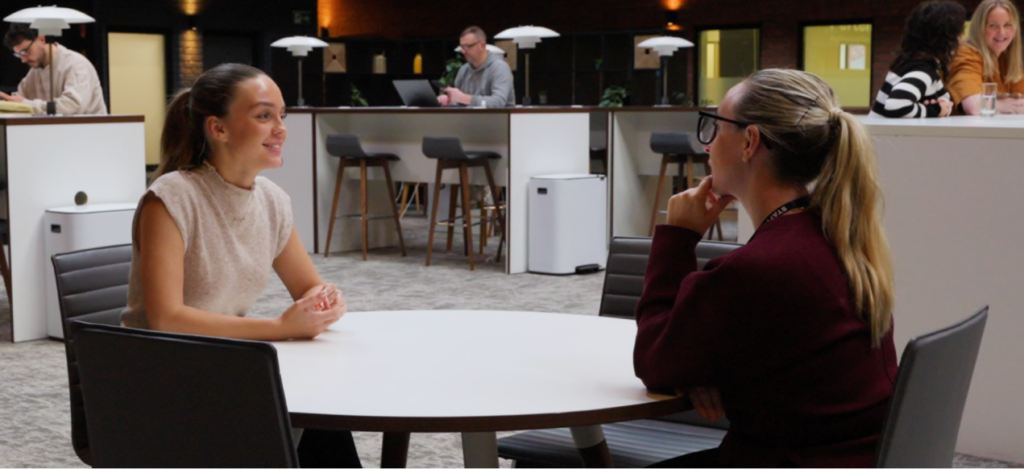
Set clear hot desking rules and expectation
Keep things simple and visible. Clearly define who can use areas and explain whether it’s on a first-come-first-sit basis or, if there is a booking system in place, train teams on how to reserve their favourite spot. Explaining the reasons behind the switch to hot desking can also help teams see the upside.
Introduce desk booking or simple systems
Basic booking tools or something as simple as a shared calendar can ensure that people can reserve a desk on even the busier days. For quieter days or for businesses with just a handful of team members, a low-tech option such as a Slack channel where people can post that they need a desk can help guarantee a seat.
Create zones for focus and collaboration
Signpost areas that offer people different ways of working. Hot desking shouldn’t prevent teams from collaborating, nor should it stop individuals who want to lock in and complete a task. Gently encourage teams to select the right zone for their needs and give them the freedom to switch as their day progresses.
Provide lockers or personal storage
Giving each person a small locker or shelf space for their items can help them feel like this new way of working is still personable. It also allows them to leave things like notebooks and headphones in the office overnight. Shared accessories should be stored, stocked, and neatly labelled so team members can set up in minutes.
Establish hot desking etiquette
Establish a “clean on leave” policy so that people know to keep cables tidy, return chairs to a neutral height, and remove their personal items from that desk. Ensure people are mindful of noise levels in different areas and that they respect bookings to avoid people squatting at desks and forcing people to ask them to move.
Hot desking and company culture
If hot desking is done badly, there is a risk that it can damage the company culture. So, a simple way to avoid this is to just treat people like adults and trust that they will use this new system in good faith. Businesses run the risk of making teams feel like they’re back at school if there are too many rules for rule’s sake.
As hot desking adoption increases, share usage data with teams. Invite feedback from those using the desks and make adjustments where needed. Even the smallest of tweaks can make people feel heard and avoid bigger frustrations rearing their head.
Keep guaranteed quiet options available for those who prefer to work in solitude, away from the office buzz. Keep intra-team culture alive by scheduling regular department days so people still feel connected even if they don’t have a dedicated department area or desk. Organising department away days to a coworking space, such as The Causeway, can also keep culture alive and give a group a chance to collaborate away from the office environment.
Is hot desking right for small teams?
When it does work…
Hot desking is great for hybrid teams of between 5 and 30 people who are already used to staggered office days and do 99% of their work from one device. It suits businesses that carry out project or retainer-based work and don’t have the cash reserves for long leases or expensive office fit-outs.
…when it doesn’t
For teams that need to use specialist kit daily, hot desking can be more of an inconvenience. Businesses that deal with issues that require strict confidentiality may see hot desking as a risk, as there is a lack of private rooms available. Finally, teams that are at full capacity and need to be in the office every day may not take kindly to such a radical shift in working patterns.
Why coworking makes hot desking easier
Coworking spaces are great environments for businesses interested in exploring hot desking as a permanent solution. The nature of these hubs means that flexibility is built into the walls of the building! Extra meeting rooms are just a few steps away, as are dedicated phone booths and a load of additional desks for those last-minute office days. As well as all that, cleaning services keep everything looking tidy, superfast wifi allows teams to get work done, and an on-site concierge team is there to help when queries arise.
They also provide a natural separation between work and home, giving teams a clear “day in the office” without the cost of a private office space that may well sit half empty for the majority of the week.
Environments such as The Causeway give businesses a professional space in which to work without the admin that comes from owning a dedicated office.
BOOK A TOUR
Make hot desking work for your business
Run an efficient, popular hot desking set up right here at The Causeway.